BRC -Global Food Standard

GLOBALG.A.P. Certificate

ISO 13485 Quality Management for Medical Devices
This is one of many areas of business professional services where our firm is well ahead of the competition.

ISO /IEC 20000-1 IT Service Management
Lorem Ipsum is simply dummy text of the printing and typesetting industry. Lorem Ipsum has been the industry.

ISO 31000 Risk Management System
Lorem Ipsum is simply dummy text of the printing and typesetting industry. Lorem Ipsum has been the industry.

FSSC 22000
![[GetPaidStock.com]-653840b1cb100](https://infinitycert.com/wp-content/uploads/2023/06/GetPaidStock.com-653840b1cb100-541x600.jpg "[GetPaidStock.com]-653840b1cb100")
ISO 21001 Educational Organization Management System

ISO /IEC 27001 Information Security Management System
A feature of great leaders is that they never stop for learning. Mentorship and Coaching for your leaders.
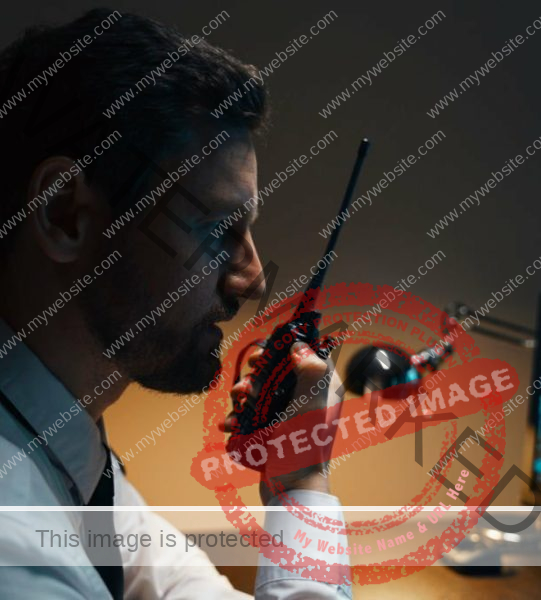
ISO 18788 Management System for Private Security Companies

GMP Good Manufacturing Practices

ISO 22483:2020 Tourism and Related Services Management System
![[GetPaidStock.com]-653842b6d5dab](https://infinitycert.com/wp-content/uploads/2023/06/GetPaidStock.com-653842b6d5dab-541x600.jpg "[GetPaidStock.com]-653842b6d5dab")
ISO 41001 Facility Management System

Halal Certificate

ISO 37001 Anti-bribery Management System
People are only as good as the tools they possess. So, to consistently deliver high-quality auditing services.

ISO 10002 Customer Satisfaction Management System

ISO 50001 Energy Management system
We are providing and dealing with all sorts of legal and professional services and matters to operate.

ISO 9001 Quality Management System
ISO 9001 provides a model for a quality management system which focuses on the effectiveness of the processes in a business to achieve desired results

ISO 28001 Supply Chain Certification

ISO 22000 Food & Safety Management System
A feature of great leaders is that they never stop for learning. Mentorship and Coaching for your leaders.

ISO 22301 Business Continuity Management System
A feature of great leaders is that they never stop for learning. Mentorship and Coaching for your leaders.